Stars and Shadows: What Michelin Recognition Really Means for Your Next Sushi Reservation

Photo: USAF, Public domain, via Wikimedia Commons
In New York City, a Michelin star functions as both a crown and a constraint. For the restaurants that receive one — or two, or three — the accolade arrives with a kind of gravity that reshapes everything from reservation logistics to the emotional temperature inside the dining room. For guests, the star functions as a shorthand for quality, a signal that the experience ahead has been vetted by some of the most exacting palates in the world.
But shorthand, by its very nature, leaves things out.
The question worth asking before you secure a coveted seat at one of New York's most decorated sushi counters is not simply whether the restaurant is excellent. The more useful question is whether it is excellent for you — and whether the version of Japanese dining it offers aligns with what you are genuinely hoping to find.
What a Michelin Star Actually Measures
The Michelin Guide evaluates restaurants according to five criteria: quality of ingredients, mastery of technique, harmony of flavors, consistency across visits, and what the guide describes as the chef's personality as expressed through cuisine. These are meaningful standards. They are also, notably, standards developed by a French tire company to encourage automobile travel, applied through a lens that has historically favored European fine-dining conventions.
Japanese cuisine has complicated that framework in fascinating ways. The omakase format — in which the chef determines the entire progression of the meal — does not map neatly onto a system designed around à la carte choices and sommelier-driven service. Several sushi masters in New York have spoken candidly about the adjustment required when their restaurants entered the Michelin conversation.
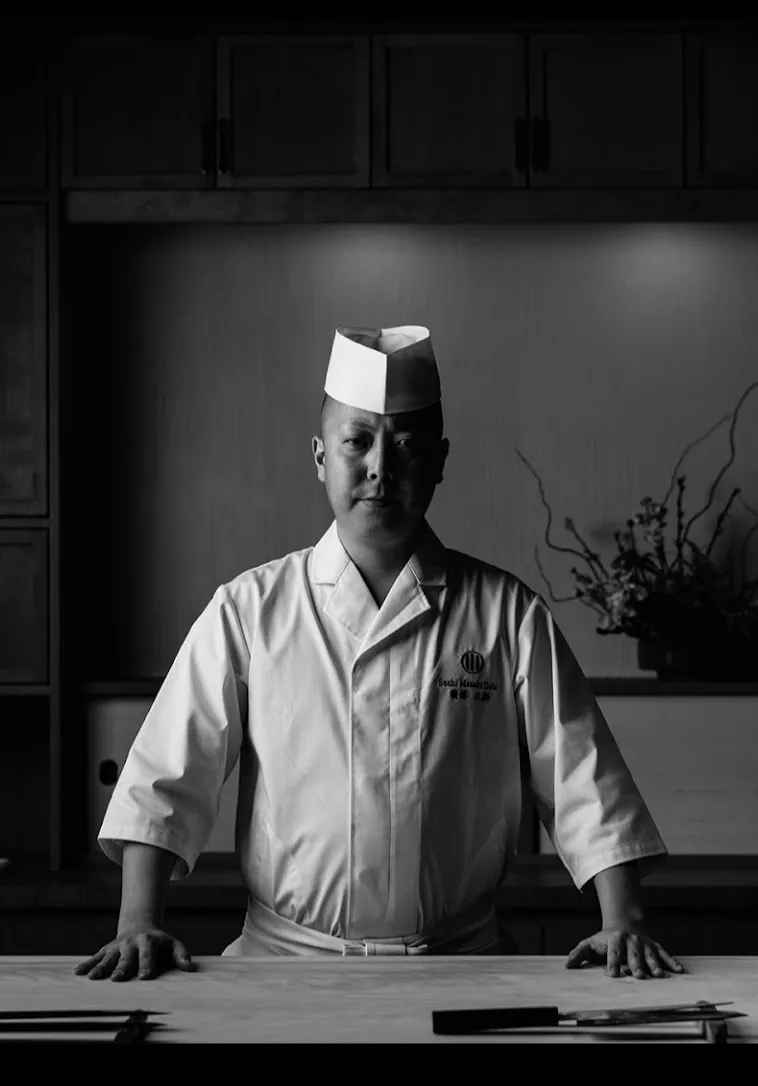
"Recognition changes the room before the guest even sits down," said one chef who helms a twelve-seat counter in Midtown and asked not to be named. "There is an expectation now. People arrive with the star in their mind, and sometimes I wonder if they are tasting the fish or tasting the rating."
That observation points to something real. When a restaurant earns Michelin distinction, it attracts a different kind of diner — one who may be motivated as much by the prestige of the experience as by a genuine curiosity about Japanese culinary tradition. The result can be a room that feels more like a performance than a conversation.
The Reservation Economy and Its Consequences
Practically speaking, Michelin recognition creates scarcity. A sushi counter that seats eight to fourteen guests operates on an inherently limited scale. When that counter appears in a globally distributed guide, demand expands far beyond what the space can accommodate. Reservation windows open months in advance. Secondary markets emerge. The process of simply securing a seat becomes its own kind of audition.
This is not a trivial concern. The intimacy of omakase dining depends, in part, on a certain ease in the room. When a guest has spent weeks refreshing a reservation portal and paid a non-refundable deposit equivalent to a weekend getaway, the stakes of the evening can feel disproportionate to the quiet, unhurried experience that Japanese culinary philosophy actually intends.
Several guests who have dined extensively across New York's sushi landscape describe a palpable difference in atmosphere between Michelin-starred counters and restaurants that have, for whatever reason, remained outside that recognition. "The places I return to most often are the ones where I feel like a regular, not an auditor," one longtime sushi enthusiast noted. "There is a warmth in those rooms that is harder to sustain when the whole world is watching."
When Accolades Alter the Craft
Chefs themselves are not immune to the pressures that recognition generates. Several sushi masters in New York have described a subtle but real tension between the instinctive, seasonal, and highly personal nature of traditional Japanese cooking and the consistency that Michelin inspectors prize above almost everything else.
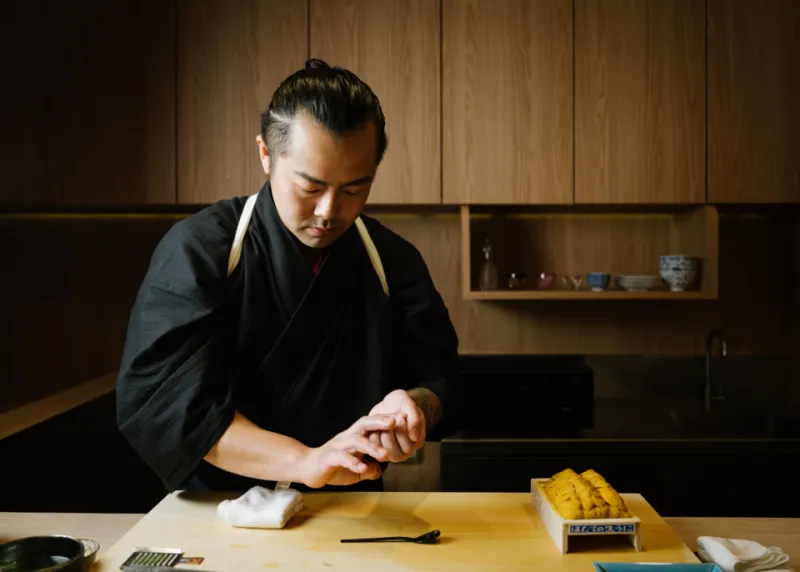
Authentic Edomae-style sushi, rooted in the traditions of Tokyo's old shitamachi district, is by its nature a cuisine of variation. The fish changes with the season, the curing times shift with the weather, and the chef's judgment on any given evening determines the character of the meal. Michelin's emphasis on consistency across visits can, in some cases, push chefs toward a more standardized approach — one that delivers a reliably extraordinary product while sacrificing some of the spontaneity that makes the form genuinely alive.
"The star is an honor I take seriously," said one chef whose Lower Manhattan counter has held Michelin recognition for several consecutive years. "But I am also aware that chasing consistency can become its own kind of trap. The best sushi I have ever made was not consistent. It was of the moment."
A Different Kind of Excellence
New York's sushi landscape extends well beyond the restaurants that appear in the Michelin Guide. Across the five boroughs and into neighborhoods that international food media rarely covers, there are chefs producing work of remarkable integrity — sourcing fish with the same obsessive care as their starred counterparts, aging and curing with genuine expertise, and serving guests in rooms where the absence of a rating creates, paradoxically, a greater freedom.
In Flushing, in Astoria, in corners of Brooklyn that have not yet appeared in a glossy dining round-up, there are counters where the chef still knows the name of every regular, where the rice is seasoned according to a formula passed down through years of apprenticeship, and where the meal unfolds without the weight of international expectation.
This is not an argument against Michelin-starred sushi. Some of the most transcendent meals available in this city — or anywhere in the world — are served at exactly those counters. The argument, rather, is for a more considered approach to how one chooses where to eat.
Asking the Right Questions Before You Book
Before committing to a reservation, it is worth pausing to clarify what you are actually hoping to experience. If you are seeking a technically flawless progression of courses, executed with the kind of precision that comes from years of Michelin scrutiny, then the starred counters may serve you extraordinarily well. If, however, you are hoping to encounter a chef at the height of his or her seasonal instincts, in a room where conversation flows naturally and the evening feels genuinely unrehearsed, you may find that the most meaningful experience is waiting somewhere less celebrated.
The dojo, after all, is not defined by its trophies. It is defined by the quality of the practice that happens inside it — and by the relationship between the teacher and the student at the moment of the lesson.
Michelin stars are a useful starting point for navigating New York's extraordinary sushi landscape. They are not, however, a destination in themselves. The guest who understands that distinction will almost certainly eat better — and more honestly — than the one who does not.