When Prestige Outpaces the Plate: Rethinking What You're Actually Paying For at NYC Sushi Counters
Photo: בר, CC BY-SA 3.0, via Wikimedia Commons
There is a quiet conversation happening among New York's serious sushi diners — one conducted in hushed tones at the counter, traded in text messages between regulars, and occasionally surfacing in the city's more candid food criticism. The subject: whether the most expensive omakase experiences in the city are, course for course, the most rewarding ones.
The short answer, according to chefs, longtime regulars, and food writers interviewed for this piece, is that they frequently are not.
This is not an argument against premium dining. It is, rather, an invitation to examine what the price of an omakase seat actually reflects — and to develop the vocabulary to distinguish extraordinary craftsmanship from expertly packaged prestige.
The Anatomy of an Omakase Price Tag
Before evaluating value, it helps to understand what you are paying for when you book a high-end sushi counter in New York City. The cost of a seat is rarely a simple reflection of ingredient quality alone. Real estate, front-of-house staffing, imported tableware, curated sake programs, and the overhead of maintaining an intimate dining room with a small cover count all factor into a menu price.
At the upper tier of the market — experiences ranging from $350 to $600 per person before beverage — a significant portion of the bill funds the environment of dining as much as the food itself. Lacquered hinoki counters, imported ceramics, and a meticulously trained service team are genuine craft in their own right. But they are not the same craft as what happens between a chef's hands and a piece of fish.
"You can charge $500 for a seat and have a perfectly adequate experience," one veteran food critic who covers the New York dining scene observed, speaking on background. "The room is beautiful, the fish is flown in from Toyosu, and everything is technically correct. But technically correct is not the same as alive."
What 'Alive' Actually Means at the Counter
Among chefs and serious diners, the distinction between technically proficient sushi and genuinely exceptional sushi is often described in almost kinetic terms. The rice — the shari — should carry warmth and a particular looseness that dissolves almost immediately on the tongue. The neta, or topping, should arrive at a temperature that reflects a chef's understanding of how long a given cut of fish needs to rest after slicing. The ratio of rice to fish should feel calibrated to the specific protein, not applied as a uniform template.
These are details that cost nothing extra to execute and everything in terms of accumulated skill and daily attention. They are also details that can be absent from a $450 omakase and present at a $165 one.
A chef who operates a mid-priced counter in the West Village — one that has quietly developed a loyal following without significant press attention — put it plainly: "I know restaurants charging three times what I charge. Some of them are extraordinary. Some of them are selling the idea of extraordinary. The fish is expensive, the room is expensive, but the hands behind the counter have not yet earned what the menu is asking."
The Role of Reputation in Pricing
New York's dining culture has always been susceptible to the gravity of reputation. A restaurant that earned significant press coverage five or seven years ago can sustain elevated pricing long after the kitchen's peak, simply because the name continues to carry cultural weight. Reservations remain difficult to secure — not because the experience is consistently exceptional, but because the perception of exclusivity perpetuates demand.
This dynamic is particularly pronounced in the omakase category, where the difficulty of securing a reservation can itself function as a signal of quality. If a counter is booked six weeks out, the reasoning goes, it must be worth the price. This is not always a sound inference.
Conversely, some of the most technically accomplished sushi chefs working in New York today operate in relative obscurity — in outer borough locations, in rooms without design awards, in restaurants that have not been anointed by major publications. Their prices reflect their actual overhead rather than the premium that notoriety commands.
A Framework for Evaluating What You're Actually Eating
For diners who want to move beyond brand recognition and assess sushi quality on its own terms, several markers are worth attending to.
Rice temperature and texture. Shari served at room temperature or colder is a meaningful signal. Properly prepared rice should be slightly warm — body temperature, roughly — and should yield gently under the tongue without requiring effort. If the rice feels dense or starchy, it has either been prepared too far in advance or seasoned imprecisely.
The pacing of the meal. A chef who genuinely commands the counter will modulate the sequence of courses with a sense of narrative — moving from delicate to robust, from raw to lightly cured to briefly applied heat, in a progression that feels considered rather than habitual. Meals that follow an identical template regardless of what is exceptional in the market that week suggest a kitchen executing routine rather than responding to the fish.
How the chef responds to the season. The finest sushi counters in New York adjust their offerings meaningfully across the calendar. If a premium counter is serving the same marquee cuts in February that it served in October, with little acknowledgment of what is actually at peak, that is worth noting.
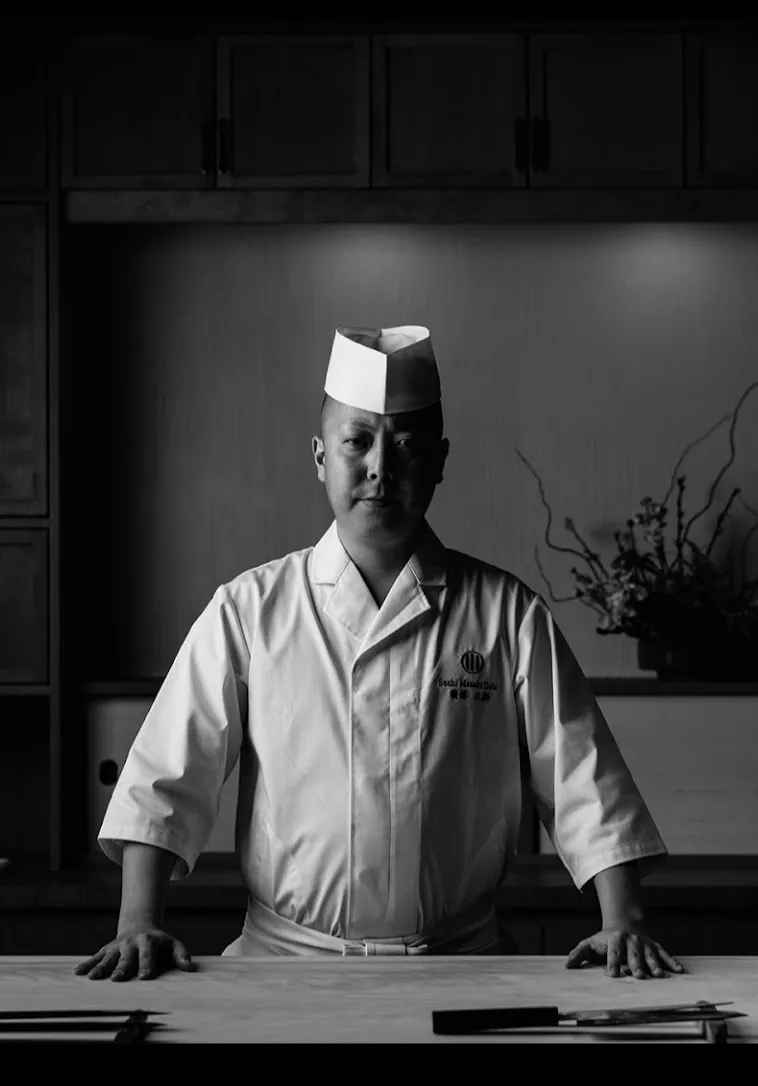
The chef's presence at the counter. At the highest price points, diners are often paying for proximity to a named chef. If that chef is present and engaged — making eye contact, adjusting portions based on a diner's pace, responding to questions with genuine attention — the premium may be warranted. If the counter is being run primarily by junior staff while the named chef circulates briefly, the calculus shifts.
Where Genuine Value Lives in New York's Sushi Landscape
The most consistently rewarding omakase experiences in New York are not always the most expensive ones. Several counters operating in the $150 to $220 range deliver rice technique, sourcing rigor, and chef engagement that outperforms restaurants charging twice as much. These counters tend to share certain qualities: they are chef-owned rather than group-operated, they maintain small reservation windows that keep the kitchen responsive, and they have developed reputations through word of mouth rather than through publicist-driven press cycles.
This is not to suggest that premium experiences are without merit. Several of New York's most expensive counters are genuinely extraordinary — places where every variable, from the provenance of the soy to the temperature of the serving vessel, has been considered with uncommon seriousness. The point is simply that price is an unreliable proxy for that level of care.
Eating with Your Own Judgment
The most useful thing a New York diner can bring to a sushi counter — at any price point — is an active and independent palate. The willingness to notice when the rice is exceptional, to recognize when a piece of fish has been cut with unusual precision, and to register when a meal feels genuinely alive rather than merely accomplished is not a skill reserved for critics or industry insiders.
It is, in fact, the whole point of the counter format. You are seated close enough to observe, to ask, and to form your own assessment. The bill, when it arrives, should confirm what you already experienced — not substitute for your own judgment about whether it was worth it.
New York's sushi culture is rich enough, and varied enough, to reward diners who look beyond the price tag. The question worth asking before any omakase reservation is not simply how much does this cost, but what is this chef actually doing — and whether the answer merits your time, your attention, and your money.