From the Dojo to the Kitchen: How Martial Arts Learning Principles Are Reshaping Home Sushi Culture in New York
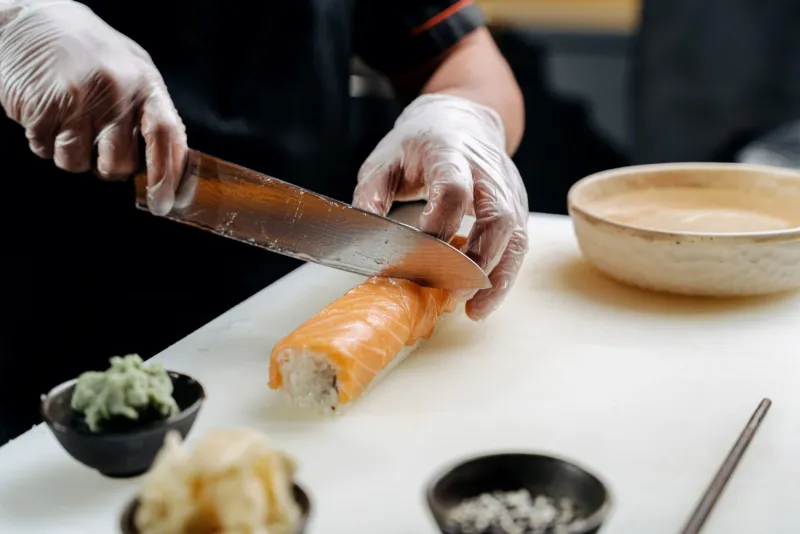
On a Saturday morning in Astoria, Queens, Marcus Delgado clears his kitchen counter with the deliberateness of someone preparing for something far more significant than breakfast. He lays out his yanagiba, checks the moisture level of a damp cloth draped over his hangiri, and takes a moment before touching anything. He is not a professional chef. He is a high school history teacher who, over the past two years, has applied the same structured discipline he once used to earn a brown belt in judo to the art of making sushi at home.
"In judo, you don't just show up and start sparring," Delgado explains. "There's a sequence. There's respect for the process. I started treating my kitchen the same way, and everything changed."
Delgado is part of a growing cohort of New Yorkers who are drawing direct inspiration from the philosophical architecture of Japanese martial arts — the dojo model of incremental mastery, repetition, and humble progression — to guide their home sushi practice. What began as a pandemic-era hobby for many has evolved, for some, into a near-devotional discipline.
The Dojo Model, Translated
At its core, the dojo learning framework rests on a few foundational principles: begin with fundamentals before advancing, repeat basic techniques until they become instinctive, accept failure as instruction rather than defeat, and approach every session with fresh attention regardless of prior experience. These principles, long embedded in the training of martial artists, translate with surprising precision to the craft of sushi preparation.
Instructors at several New York culinary studios have begun explicitly framing their Japanese cooking workshops around this methodology. Yuki Tanabe, who leads a series of sushi fundamentals classes out of a shared kitchen space in the West Village, describes the shift in her students' outcomes as dramatic.
"When I started teaching, students would come in wanting to make a dragon roll by the end of the first session," she says. "Now I have students who spend three classes on rice alone and consider that time well spent. That change in attitude produces completely different results."
Tanabe structures her curriculum in tiers that mirror a belt progression. Students do not advance to fish preparation until they can consistently produce shari — the vinegared rice at the heart of every piece — that meets a defined standard of temperature, texture, and seasoning. The methodology is deliberate and, by design, slow.
Rice as the First Kata
In martial arts, a kata is a choreographed sequence of movements practiced repeatedly to build muscle memory and deepen understanding of underlying principles. For home sushi practitioners operating under the dojo philosophy, rice preparation functions as the first and most important kata.
The variables involved — water ratio, rinsing technique, resting time, the temperature at which vinegar is folded in, the angle and pressure of the shamoji — are numerous enough to occupy weeks of focused attention. Home practitioners report that this singular focus, rather than feeling limiting, becomes a gateway to broader culinary confidence.
Clarissa Okonkwo, a Brooklyn-based graphic designer who has been studying home sushi preparation for eighteen months, describes the rice stage as transformative. "I failed at rice probably thirty times before something clicked. And when it clicked, I understood something about patience that I hadn't before. The fish almost felt secondary after that."
This sentiment is echoed widely among practitioners who have embraced the dojo framework. The deliberate confrontation with difficulty — rather than the avoidance of it — appears to be central to the satisfaction they derive from the practice.
Knife Maintenance as Ritual
Beyond rice, knife care has emerged as another touchstone of the home dojo approach. In professional Japanese kitchens, the relationship between a chef and their blades is treated with reverence that borders on the ceremonial. Home practitioners who have absorbed this ethos report that introducing similar rituals into their own routines has deepened their connection to the craft.
Delgado, the Astoria teacher, sharpens his yanagiba on a whetstone before every session, regardless of whether the blade requires it. "It's not always about the edge," he admits. "It's about entering the right state of mind. The act of preparing the tool prepares me."
This ritualistic approach to equipment care is something Tanabe actively encourages in her workshops. She argues that treating tools with care is not affectation but rather a practical expression of respect for the ingredients those tools will eventually meet. "If you handle your knife carelessly, that carelessness enters the fish. That sounds abstract, but experienced cooks understand exactly what it means."
Community and Accountability
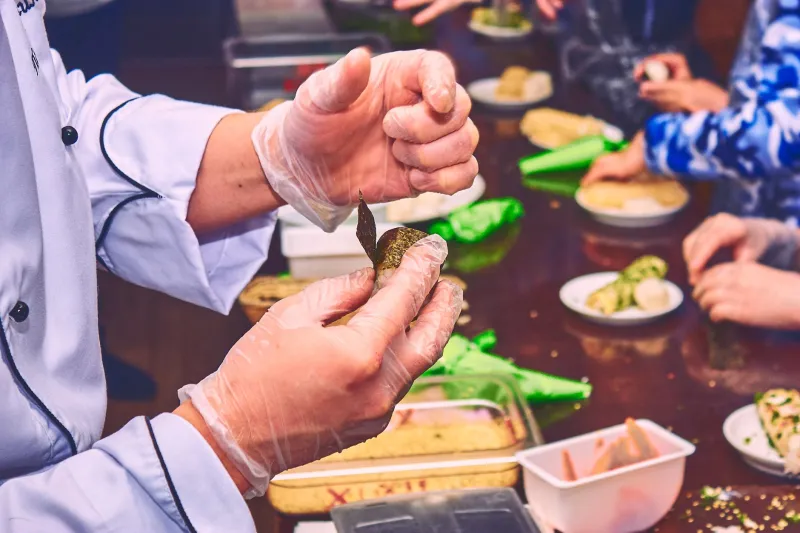
The dojo model is inherently social. Martial arts practitioners train alongside others, observe each other's technique, offer correction, and share in the collective discipline of the space. Home sushi enthusiasts in New York have begun replicating this communal dimension through informal practice groups, online forums, and organized workshops that function less like cooking classes and more like structured training sessions.
Several such groups have formed across the boroughs, meeting regularly to practice specific techniques, critique each other's rice, and work through challenges collectively. The atmosphere, participants describe, is notably different from a typical dinner party or casual cooking gathering — more focused, more honest, and ultimately more rewarding.
Jordan Fisk, who organizes a monthly sushi practice gathering in Greenpoint, Brooklyn, notes that the group dynamic mirrors what he experienced in his years of studying aikido. "There's a humility that develops when you practice alongside others who are also struggling. Nobody pretends to be further along than they are. That honesty makes everyone better."
What This Means for How New Yorkers Understand Sushi
The broader implication of this movement extends beyond kitchen technique. As more New Yorkers engage with sushi preparation through a disciplined, process-oriented lens, their appreciation for professional craftsmanship deepens considerably. Practitioners who have spent months wrestling with rice temperature and knife angles arrive at restaurant counters with a fundamentally different quality of attention than those who have not.
Tanabe observes this regularly among her students. "They start noticing things at restaurants that they never would have seen before — the way a chef positions their hand, the speed of a cut, the color of the rice. They're not just eating anymore. They're reading."
This heightened literacy enriches the dining experience at every level, from a neighborhood Japanese spot in Jackson Heights to a high-end omakase counter in Midtown. The dojo philosophy, at its best, does not merely produce better home cooks. It produces more engaged, more curious, and more respectful participants in the broader culture of Japanese cuisine.
For New York — a city that has long prided itself on consuming the world's culinary traditions — this shift toward genuine engagement with craft represents something worth paying attention to. The counter, it turns out, is not the only place where mastery begins.