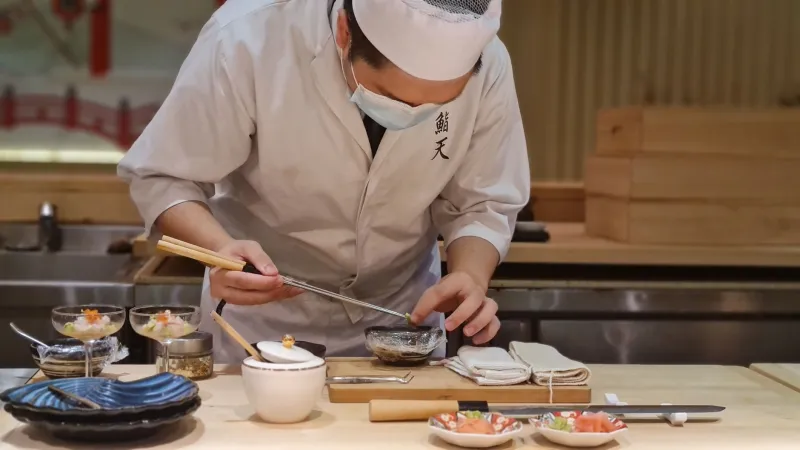
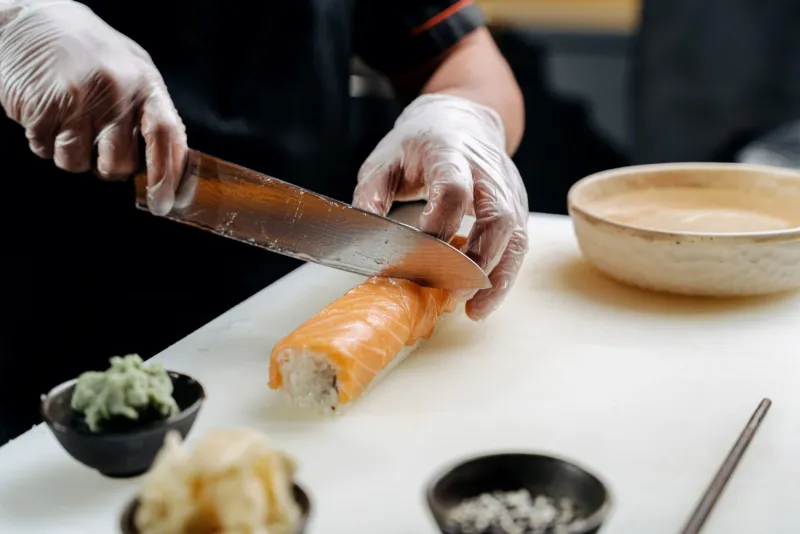
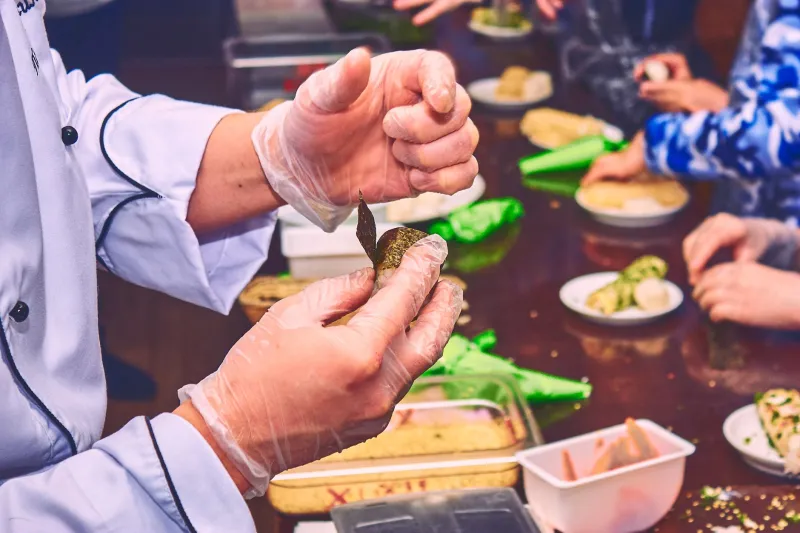
One Counter, Infinite Depth: Why New York's Most Devoted Sushi Diners Keep Returning to the Same Seat
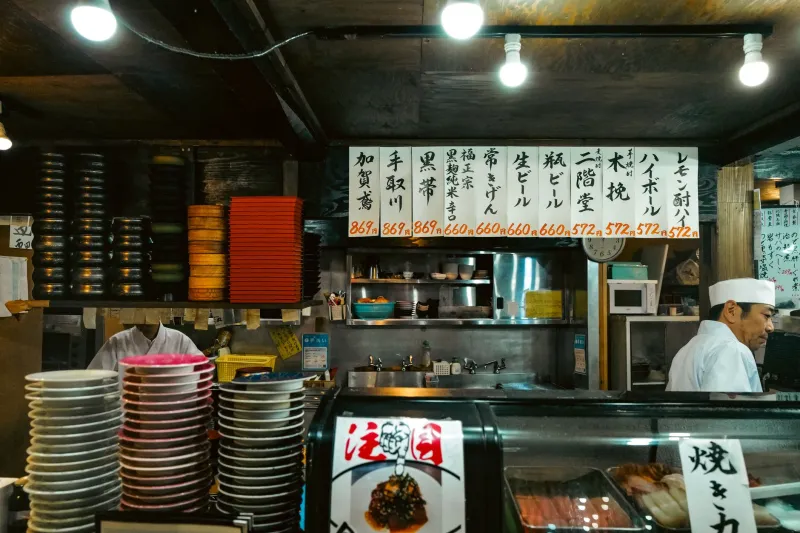
New York City rewards the restless. New restaurants open weekly, reservation platforms refresh with coveted slots at midnight, and the cultural pressure to stay current — to have eaten everywhere worth eating — is considerable. For most diners, the omakase circuit functions like a checklist: secure the seat, photograph the uni, move on.
But among a smaller, quieter cohort of sushi enthusiasts, a different philosophy governs the calendar. These are the regulars. The guests who have held the same seat at the same counter for years, sometimes decades. They are not unaware of what else exists in this city. They have simply made a deliberate choice to go deeper rather than wider — and in doing so, they have discovered something that no first visit can offer.
The Martial Arts Parallel
In traditional Japanese martial arts, the concept of keiko — repeated, disciplined practice — is not merely a training method. It is the foundation of understanding. A student does not advance by sampling many disciplines simultaneously. Mastery is earned through sustained, focused engagement with a single form, a single teacher, a single set of principles applied over and over until the body no longer needs to think.
The parallel to sushi dining is not merely poetic. It is structural.
"When a guest comes for the first time, I am introducing myself," explains one omakase chef who has operated a small counter in the West Village for over a decade. "When they come for the tenth time, we are having a real conversation. When they come for the fiftieth time, I already know what they need before they sit down."
That accumulated knowledge — of a guest's preferences, tolerances, and evolving palate — is the currency of the long-term relationship. It cannot be replicated by a well-crafted reservation note or a detailed dietary form. It is earned through presence, through repetition, through showing up.
What the Palate Learns Over Time
Regular guests frequently describe a phenomenon that mirrors what athletes and musicians call muscle memory: the sense that the body begins to anticipate and interpret with increasing sophistication, without conscious effort.
"The first few times I visited, I was focused on the obvious things — the quality of the fish, whether the rice was warm, how the flavors hit," recalls a Manhattan-based attorney who has dined at the same Upper East Side counter more than sixty times over seven years. "After a while, I started noticing things I couldn't have named before. The way a particular cut of bluefin changes across seasons. How the chef's pacing shifts when he's excited about an ingredient. I wasn't reading about these things. I was just paying attention, visit after visit."
This kind of palate education is cumulative and non-transferable. It belongs to a specific counter, a specific chef's hand, a specific set of sourcing relationships. Guests who spread their dining across dozens of venues each year may accumulate breadth, but they rarely develop this kind of granular, intimate fluency.
The Chef's Perspective: Regulars as Collaborators
For many omakase chefs in New York, long-term regulars are not simply loyal customers. They are collaborators in the ongoing refinement of the dining experience.
"A regular gives me something I cannot get from anyone else: honest feedback over time," says one Brooklyn-based chef who trained for years in Osaka before opening his own counter. "They remember what I served six months ago. They notice when I change something. They tell me, sometimes without words, whether a direction is working. That relationship makes my cooking better."
This dynamic inverts the conventional assumption that the chef holds all the power at the counter. In a mature, sustained relationship between a chef and a devoted regular, the exchange becomes genuinely reciprocal. The chef learns the guest's palate as the guest learns the chef's language. Each visit builds upon the last.
Some chefs quietly reserve certain ingredients — a particularly exceptional piece of aged tuna, a rare seasonal shellfish — for guests they know will appreciate them fully. This is not favoritism in any cynical sense. It is craft meeting its most receptive audience.
Why Novelty Has Diminishing Returns
The restaurant industry, and much of food media, is structured around discovery. The value proposition of most dining content rests on the premise that new is better — or at least more interesting. And in a city as dynamic as New York, there is always something new to discover.
But novelty, by definition, cannot deepen. A first visit to any counter, however exceptional, is necessarily a surface experience. The diner is orienting: reading the room, calibrating expectations, processing unfamiliar flavors and rhythms. There is pleasure in this, certainly. But it is a different category of pleasure than what becomes available after sustained familiarity.
"People ask me why I don't try more places," says a Midtown financial professional who has maintained a standing monthly reservation at the same Tribeca counter for four years. "I tell them: I'm not trying to collect experiences. I'm trying to understand one thing deeply. That takes time."
This framing — dining as a practice rather than a pursuit — aligns closely with the dojo model that underpins serious study of any Japanese art form. The dojo is not a place you visit once to see what it's about. It is a place you return to, consistently, over years, until the practice becomes part of who you are.
Building Your Own Practice
For diners interested in exploring this approach, the path forward is deliberate rather than dramatic. It begins with identifying a counter that genuinely resonates — not the most prestigious reservation in the city, but the one where something in the food, the atmosphere, or the chef's sensibility speaks to you specifically.
From there, the practice is simply one of consistency and attention. Return regularly. Sit in the same seat when possible. Engage with the chef without demanding engagement. Arrive without an agenda beyond presence. Resist the urge to document every piece for an audience that is not in the room.
Over time, the counter will begin to reveal itself in ways that no amount of research or first-visit enthusiasm can accelerate. Seasonal patterns will emerge. The chef's evolving philosophy will become legible. Your own preferences — the ones you didn't know you had — will sharpen into clarity.
This is what the martial arts tradition has always understood, and what New York's most devoted sushi regulars are quietly rediscovering: that the deepest form of appreciation is not achieved through accumulation, but through return.
The counter is always there. The question is whether you are willing to come back.